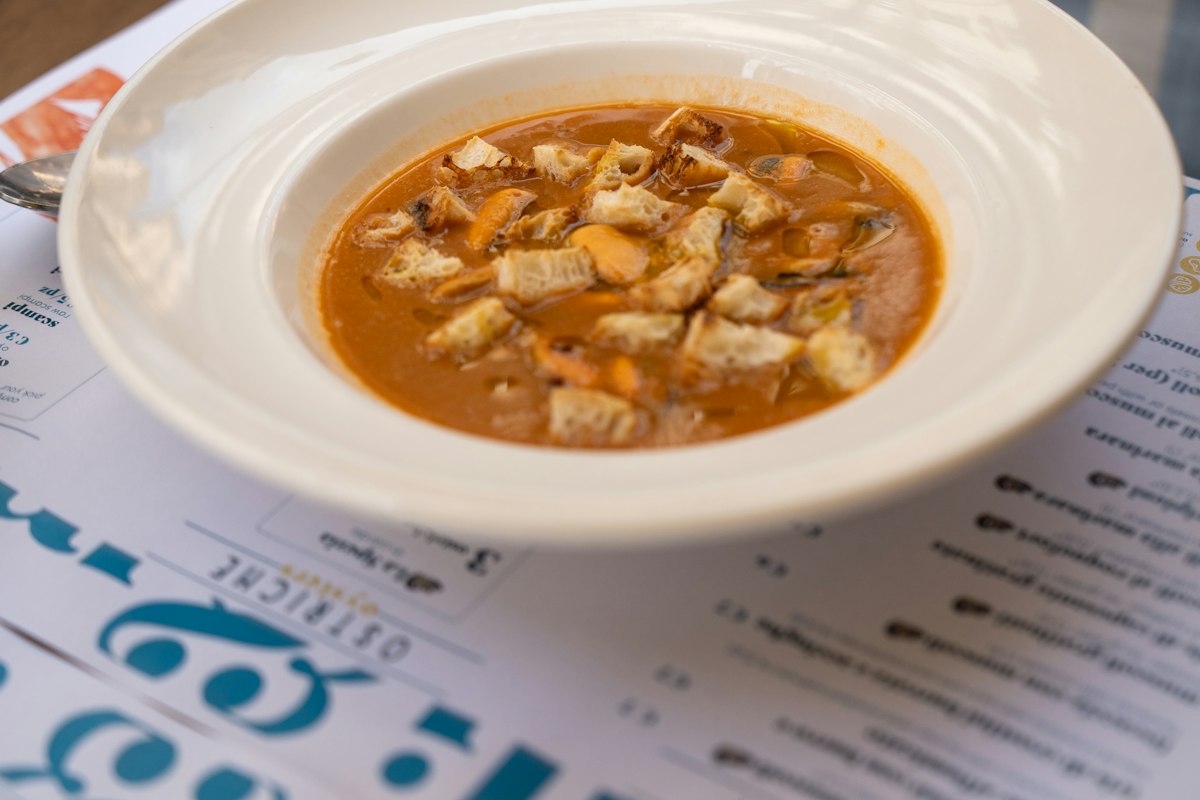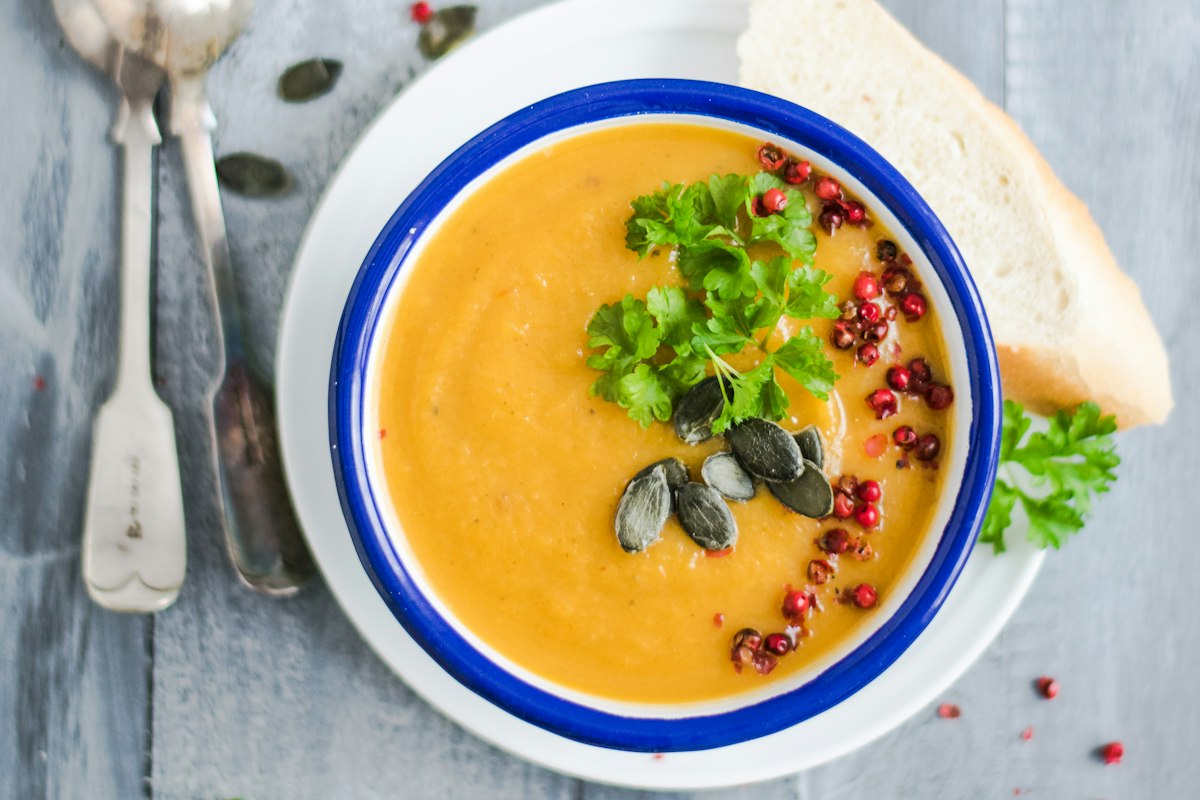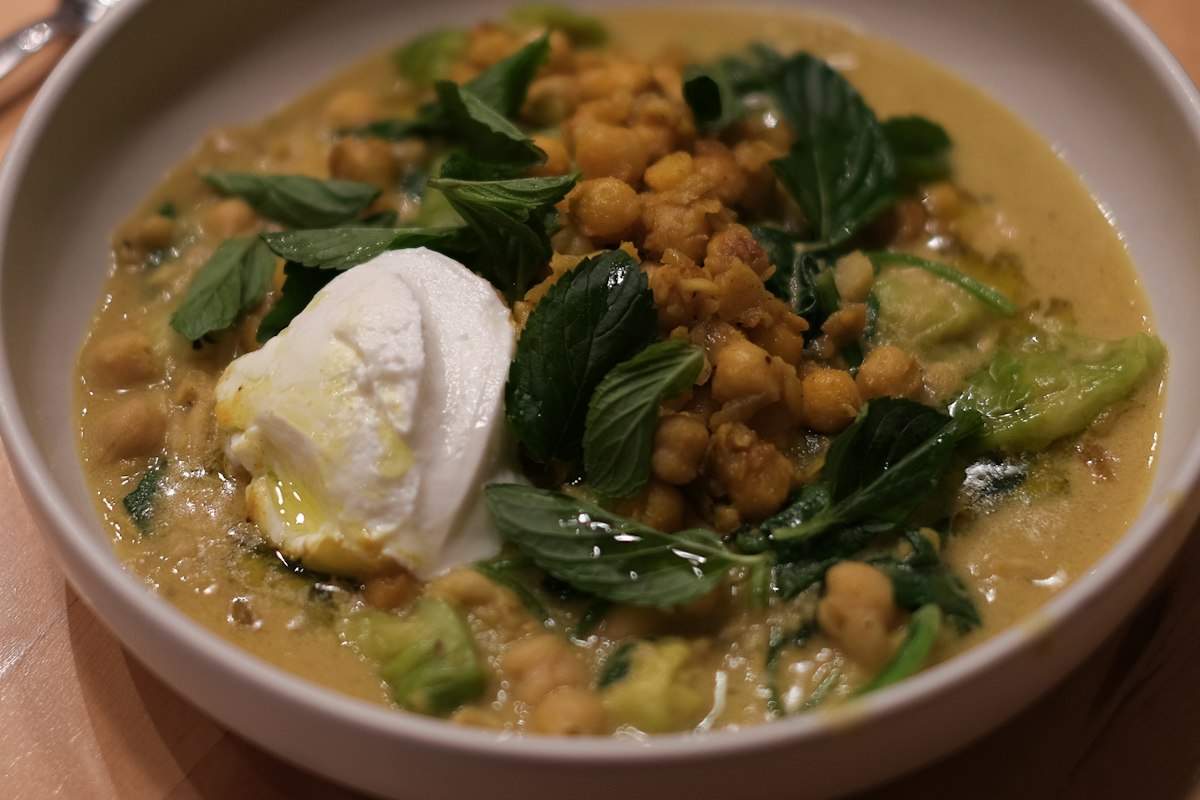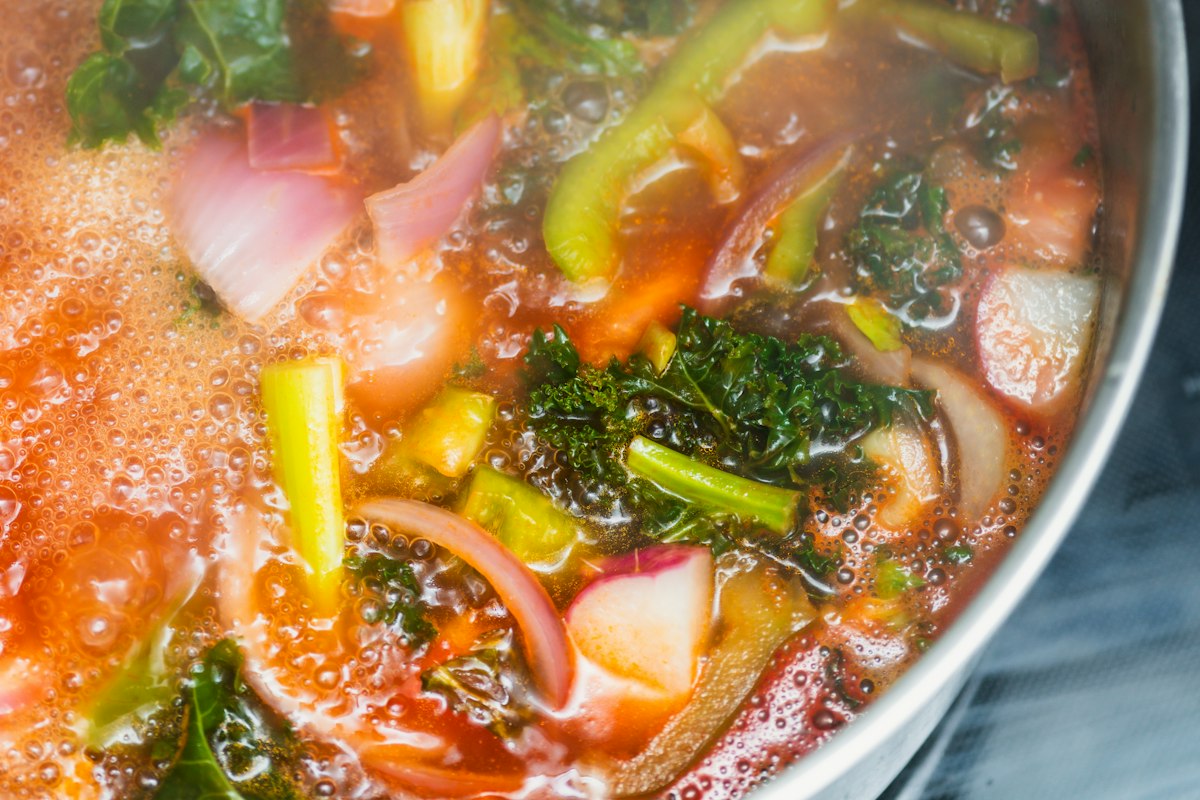
Tuscan ribollita is one of Italy's most famous peasant soups: a thick, hearty mix of white beans, dark kale, cabbage and vegetables, thickened with stale bread until it is almost a stew. Its name means reboiled, because it was traditionally made from leftover minestrone and bread, reheated the next day. Today it is a celebrated dish in Florence's trattorias.
Born from leftovers
Tuscan farmers never wasted bread. Yesterday's loaf was layered with leftover vegetable soup and heated again, creating a dish thicker and more flavorful than the original. That frugal habit became one of Italy's most loved recipes.
The bread matters
Use a crusty, rustic country loaf that is a day or two old. Traditional Tuscan bread is made without salt, which balances the savory soup. Avoid soft sandwich bread, which turns gluey.
Lacinato kale
Also called cavolo nero or black kale, lacinato kale is essential to ribollita. Its dark, bumpy leaves stay tender and have a deep, slightly bitter flavor. Curly kale or Swiss chard can substitute.
Generous olive oil
Ribollita is made with plenty of good olive oil, both in the pot and drizzled on top. The fruity, peppery oil is part of the flavor, not just a cooking fat.
Thick, not soupy
Authentic ribollita is thick enough to hold a spoon upright. If you prefer a looser soup, add more broth or use fewer bread slices.
Better the next day
True to its name, ribollita is best reheated. Make it a day ahead, refrigerate, and reheat slowly with a little broth. Some Tuscans even bake it in the oven with sliced onions on top.
Mashing the beans
Mashing half the beans gives the soup a creamy body. Some cooks blend them with a little broth for an even smoother base.
Vegetables in season
Ribollita is a winter dish, made with sturdy vegetables like cabbage, kale, potatoes and carrots. Swiss chard and zucchini also appear in some family recipes.
Vegetarian by tradition
Ribollita contains no meat, so it is naturally vegetarian. Skip the Parmesan rind and cheese for a vegan version.
Healthy and hearty
Beans, kale and vegetables make ribollita full of fiber, plant protein and vitamins, while the bread makes it filling enough for dinner.
Serving ideas
Serve with a glass of Chianti and a simple salad. For more Italian bean soups, try our pasta e fagioli or the Italian wedding soup.
Storage
Keep in the fridge for 4 days. It freezes well for up to 3 months, though the texture becomes even thicker.
The Florentine way
In Florence, ribollita is a winter staple served in almost every trattoria from November to March, often in a terracotta bowl with a thread of new-harvest olive oil poured over the top. Locals say it should be so thick that the spoon stands up on its own.
The oven version
For a traditional finish, transfer the reheated soup to a baking dish, cover with thin slices of red onion, drizzle with olive oil and bake at 375°F for 30 minutes until the top turns golden and slightly crusty.
Day-old bread tip
If your bread is fresh, slice it and leave it on the counter overnight, or dry it in a low oven for 15 minutes.
Pairing
A glass of Chianti matches it beautifully.
Frequently asked questions
What does ribollita mean?
It means reboiled in Italian, because it was traditionally reheated the day after cooking.
Can I use fresh bread?
Toast fresh bread in the oven until dry before adding it, so it does not turn gluey.
Is ribollita gluten-free?
No, because of the bread. Use gluten-free bread or skip it for a minestrone-style soup.